Pieces — Columns

Columns
South Australia's power system: from a statewide blackout to a grid of wind and sun
Ten years on from the 2016 statewide blackout, South Australia runs one of the highest wind-and-solar shares of any grid in the world. Big batteries, rooftop solar, synchronous condensers and the gas plants that remain: this is how a system keeps the lights on without baseload, told through official data and local reporting.
Read more
Columns
Denmark's energy planners: a lineage of system changers
Seven tenths of Denmark's electricity now comes from wind and sun, and about seven in ten households are connected to district heating. Technology and a windy coast do not explain that on their own. This is the lineage of a profession — the energy planners who put numbers on an alternative, handed the technology back to communities, joined heat to electricity, and opened the tools of analysis to the public.
Read more
Columns
Community power in Ontario: the legacy of the FIT and a restart on Indigenous equity
In April 2026 Ontario settled its first large procurement of new wind and solar in more than a decade. All fourteen projects selected carry Indigenous equity of 50% or more. The province that brought North America its first full feed-in tariff, and then cancelled hundreds of contracts, is writing local ownership back into the rules in a different form.
Read more
Columns
Japan's lost energy dialogue: the record of the summer of 2012
In the summer of 2012 the Japanese government asked the public what should become of nuclear power, and gathered some 90,000 submissions and two days of deliberation by 285 citizens. The government website that held that record went offline earlier this year. What can be carried forward from a conversation held fourteen years ago?
Read more
Columns
Taiwan's aquavoltaics: sharing a water surface, in technology and in rules
Lay solar panels over a fish pond and the same water yields both fish and electricity. Six years on, Taiwan's "fishery-electricity symbiosis", pursued as the answer to a shortage of land, faces a situation in which most of the projects now exporting power cannot be shown to be farming anything. Where did it come apart?
Read more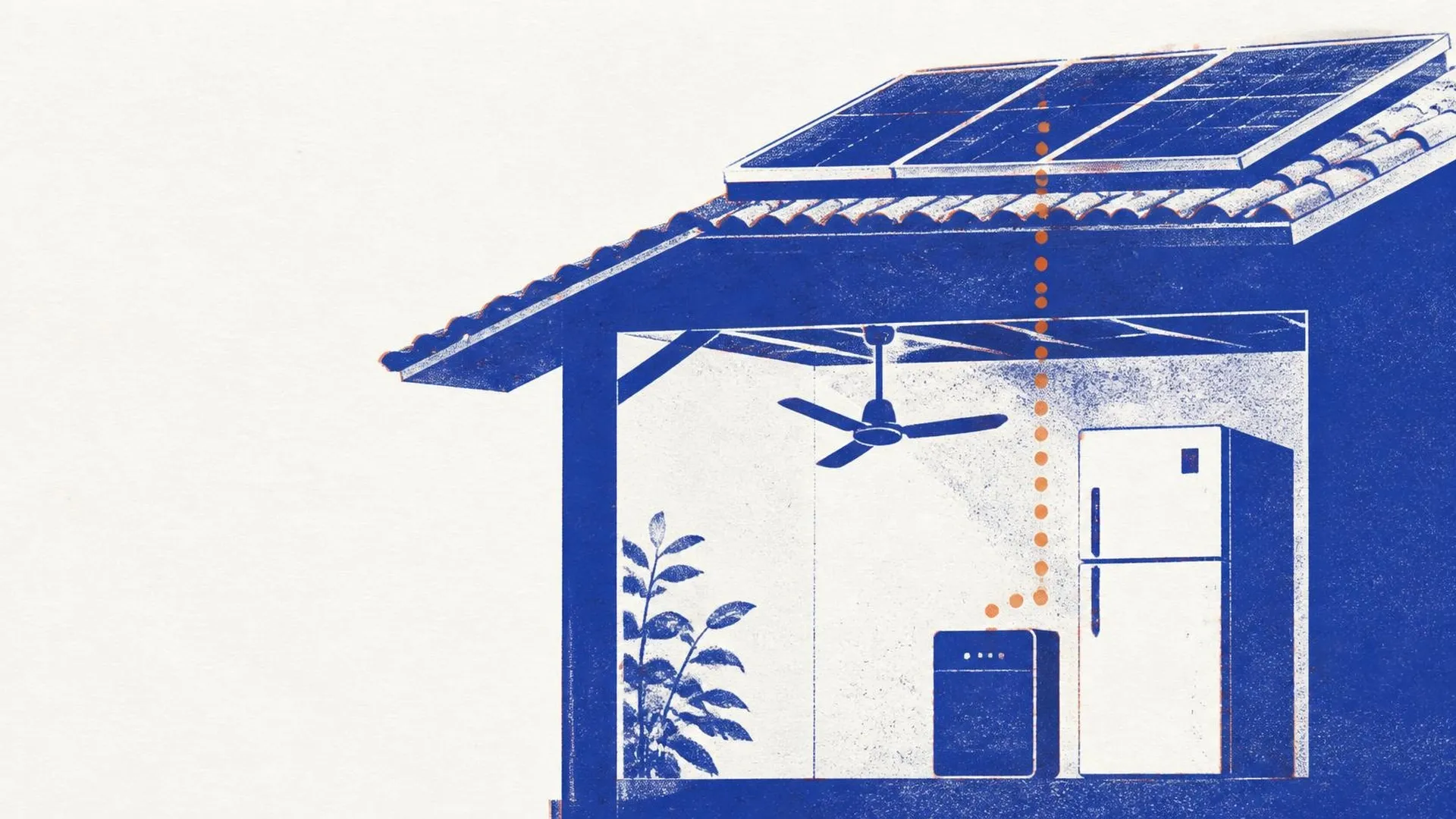
Columns
Malaysia's rooftop solar: from electricity to sell to electricity to use
On 1 January 2026 the rules for rooftop solar in Malaysia changed. Net energy metering, which had run for close to a decade, ended, and Solar ATAP began. Under the new scheme it pays better to use your own electricity than to send the surplus out. The household rebate and the corporate tax incentive both run out at the end of 2026. This piece reads what is happening to rooftop solar there from official data and local reporting.
Read more